
Golf is one of sport's great paradoxes. It is often seen as a low-impact sport—quiet fairways, green landscapes, and hours spent outdoors. But take a closer look inside your golf bag, and a different story begins to emerge.
Let's start with the numbers that matter. Every year, golfers discard an estimated 300 million golf balls in the United States alone. Each one, made from a synthetic rubber core wrapped in a thermoplastic urethane cover, can take up to 1,000 years to decompose — releasing microplastics and chemicals into soil and water along the way. Meanwhile, the global golf equipment market is valued at over $12 billion and growing, which means the volume of gear being manufactured, discarded, and replaced is enormous.
From plastic-heavy golf balls to synthetic apparel and chemically treated gloves, the modern golf setup carries a hidden environmental footprint. The good news? A growing number of sustainable alternatives are making it easier than ever to play responsibly—without sacrificing performance.
Let’s break down what’s really in your golf bag—and what you can swap for more eco-friendly options.
Golf Balls: Small but Significant Waste
What’s the issue? Most golf balls are made from layers of synthetic rubber and plastic. They’re nearly impossible to recycle and can take hundreds of years to break down. With millions lost in water hazards and roughs every year, the impact adds up fast.
Sustainable alternatives:
- Recycled/refurbished golf balls (reduces demand for new production)
- Emerging biodegradable golf balls (for driving ranges or practice)
- Durable, premium balls used longer (simple but effective)
Brands like Dixon Golf make balls from non-toxic, recyclable materials, and independent testing confirms performance is comparable to traditional options. If you're not ready to switch, buying certified recycled balls — refurbished Titleist Pro V1s are widely available — cuts the carbon footprint of your round without touching your handicap.
Pro tip: Buying recycled balls is one of the easiest ways to reduce your footprint immediately.
Golf Bags: Built to Last (or Not)
What’s the issue? Golf bags are typically made from animal-leather, synthetic fossil-fuel based fabrics, foam padding, and plastic components—designed for durability only, but rarely recycled.
Sustainable alternatives:
- Bags made with recycled materials or vegan / plant-based alternatives
- Minimalist carry bags (less material overall)
- Buying durable, higher-quality bags over time
MNML GOLF makes bags from 100% recycled ocean plastic, built without zippers and with replaceable parts designed for longevity. The brand even integrates a solar-powered phone charger. Other brands, like Sunday Golf, are getting behind vegan leather material alternatives as well which requires less resources in general to make.
Golf Gloves: Short Lifespan, High Waste
What’s the issue? Traditional gloves are made from leather or synthetic blends and wear out quickly—often after just a few rounds.
Sustainable alternatives:
- Durable vegan leather alternatives
- Synthetic gloves made from recycled materials
- Rotating gloves to extend lifespan
Better habit: Use gloves only when needed (many players overuse them).
Tees: The Simplest Swap
What’s the issue? Plastic tees are cheap, convenient—and persistent in the environment.
Sustainable alternatives:
- Bamboo tees (biodegradable and durable)
- Wooden tees (widely available and compostable)
Quick win: This is one of the easiest zero-effort sustainability upgrades in golf.
Apparel: Performance vs. Plastic
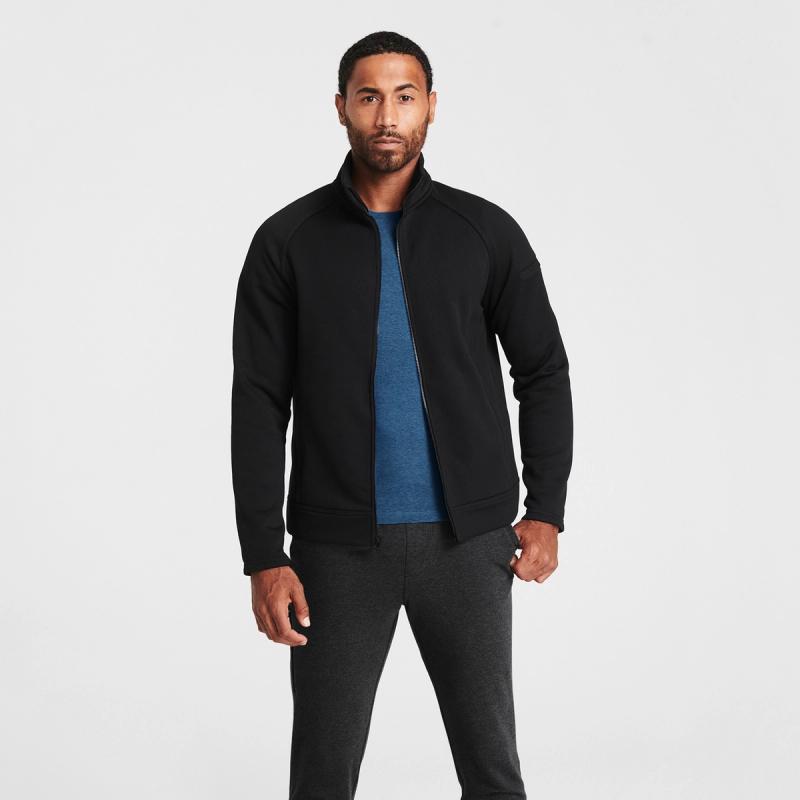
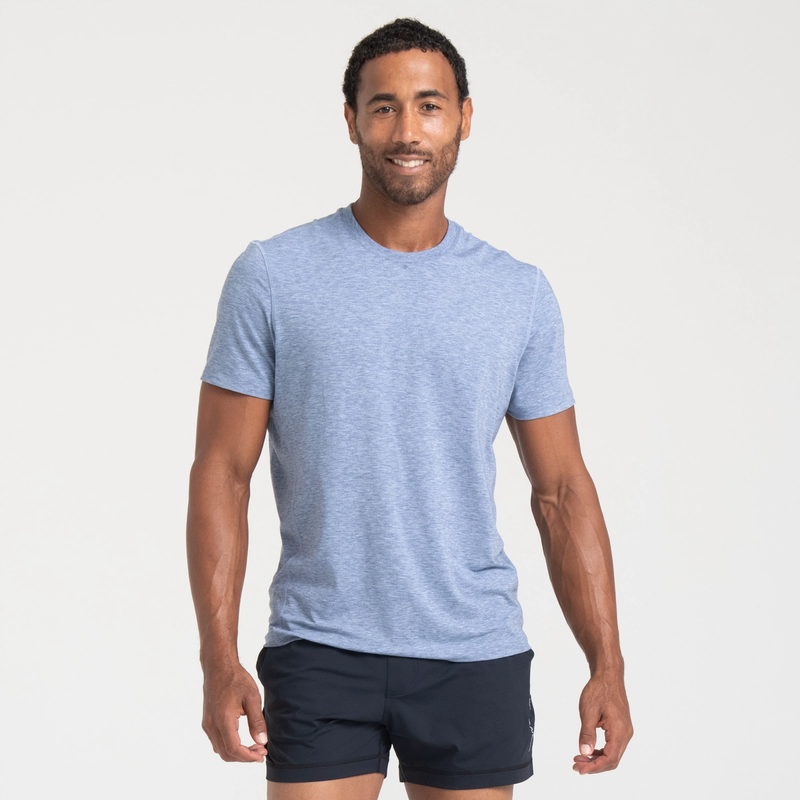
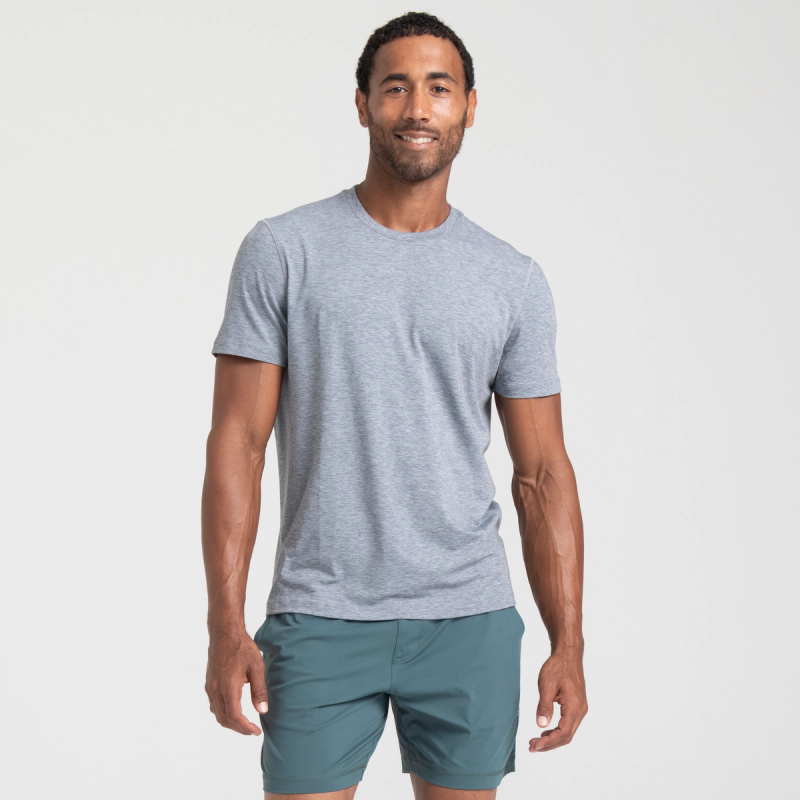
What’s the issue? Most golf apparel is made from polyester blends derived from fossil fuels. These fabrics shed microplastics and are often treated with chemical coatings for moisture-wicking and odor resistance.
Sustainable alternatives:
- Recycled polyester (better than virgin plastic, but still synthetic).
- Note: most brands are utilizing this material to maintain performance & propel forward more creative designs, but is not "non-toxic".
- Organic cotton or hemp polos (non-toxic, biodegradable)
- Bamboo-based fabrics (softer, lower chemical load)
What to look for:
- Certifications like GOTS (organic textiles)
- PFAS-free (no “forever chemicals”)
- Natural or low-impact dyes
Sunscreen & Accessories: The Overlooked Impact
What’s the issue? Many golfers carry sunscreen, bug spray, and personal care items that contain harmful chemicals—some of which can damage ecosystems (especially near water hazards).
Sustainable alternatives:
- Reef-safe, mineral-based sunscreen
- Non-toxic personal care products
- Refillable or low-plastic packaging
Golf Clubs
✅ Building a More Sustainable Golf Bag
If you’re looking to upgrade your setup, here’s a simple checklist:
✔ Switch to recycled or reused golf balls
✔ Choose bamboo or wooden tees
✔ Opt for natural or recycled apparel
✔ Use fewer, longer-lasting gloves
✔ Avoid products with PFAS and harsh chemicals
✔ Buy less—but buy better
Final Thoughts
Golf doesn’t need to be wasteful. In fact, it’s uniquely positioned to lead in sustainability:
- Players keep gear for longer than in many sports
- Courses depend on healthy ecosystems
- The pace of play encourages mindfulness
By making a few intentional swaps, golfers can significantly reduce their environmental impact—without changing how they play.
Sustainability in golf isn’t about perfection—it’s about awareness and progress.
The next time you zip up your golf bag, take a moment to consider what’s inside. Every item is a choice—and increasingly, there are better ones available.
As the sport continues to grow, so does the opportunity to make it more sustainable—from the ground up.