Why Men Are Rethinking Their Workout Gear
For decades,
men’s activewear has been dominated by polyester, nylon, and spandex—materials derived from fossil fuels. But today, a growing number of athletes are asking a simple question:
"What am I actually wearing, and what is it doing to my body and the planet?"
Here’s why that question matters:
- ~80% of global activewear is made from synthetic fibers like polyester
- Every wash of synthetic clothing releases thousands of microplastic fibers into waterways
- These plastics don’t biodegrade—they break down into microplastics that persist for decades or longer
- Microplastics have now been detected in air, water, food, and even the human body (ongoing research)
Even beyond environmental impact, synthetic workout gear can:
- Trap heat and bacteria (less breathable)
- Cause irritation for some skin types
- Introduce exposure to additives like dyes, PFAS, and plasticizers which can have a direct impact on human health. In fact, chemical finishes on polyester, such as phthalates and formaldehyde, have been linked to hormonal imbalances, reproductive issues, and developmental problems in children, and volatile organic compounds (VOCs) emitted by polyester items can cause dizziness, headaches, and long-term respiratory damage.
The bottom line? What you wear to train & sweat in matters more than ever.
What to Look for in Sustainable, Non-Toxic Men’s Activewear
Before diving into brands, here’s what separates truly clean performance gear from greenwashing:
Material Matters
Look for:
- Organic cotton (GOTS-certified)
- Hemp, linen blends
- TENCEL™ / lyocell (wood-based fibers)
- Plant-based synthetics (e.g., castor bean–derived nylon alternatives)
- Ethically-sourced animal-based materials, such as wool (although, Eco Sports aims to limit or eliminate animal exploitation in our marketplace products)
Avoid or minimize:
- Virgin polyester
- Nylon blends
- Spandex
- “Recycled polyester” as a primary material (better, but still sheds microplastics)
Non-Toxic Certifications
Prioritize:
- OEKO-TEX® certified (tested for harmful chemicals)
- PFAS-free (no “forever chemicals”)
- BPA-free dyes and finishes
Performance Without Plastic Overload
Men’s gear needs to perform. The goal isn’t eliminating stretch — it’s reducing reliance on petroleum-based fabrics while maintaining function.
The Best Sustainable Men’s Activewear Brands (2026)
Definite Articles (Best Overall Performance + Non-Toxic Balance)

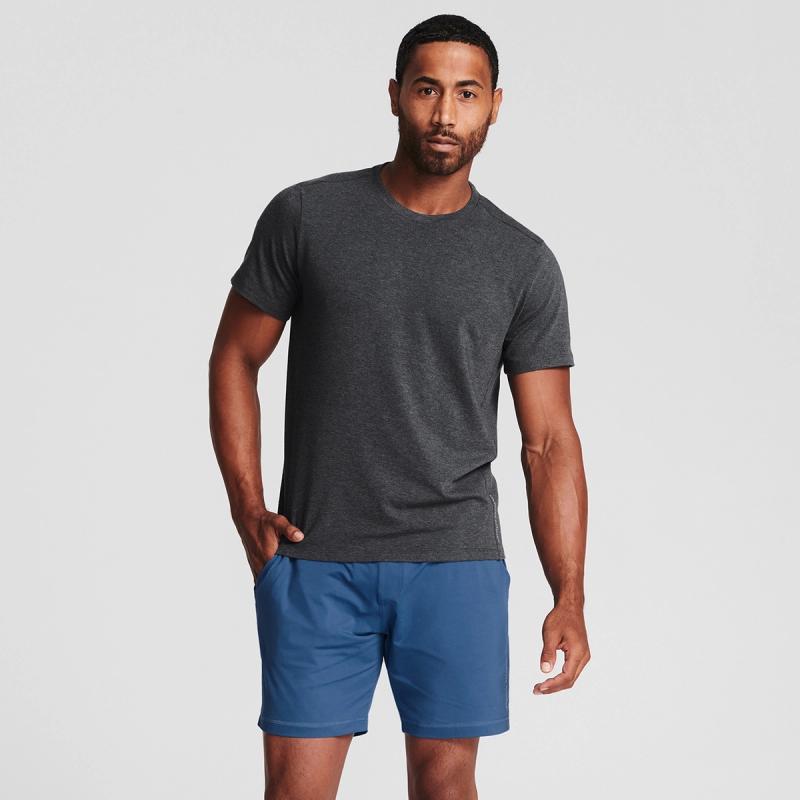
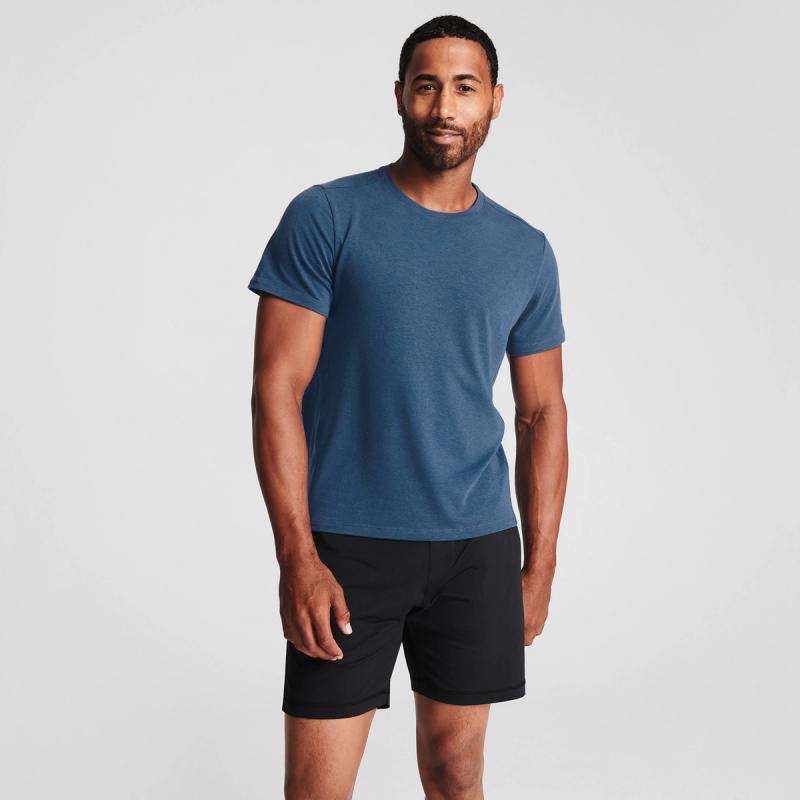
Why it stands out: Definite Articles is redefining performance apparel by proving that synthetics don’t have to come at an environmental cost. While many brands rely on traditional polyester, Definite Articles incorporates CiCLO® technology—an innovative additive that enables synthetic fibers to behave more like natural materials when they enter the environment. This means their fabrics, such as for
men's shirts and
men's shorts, are designed to biodegrade more efficiently in landfill and marine conditions, helping reduce long-term microplastic persistence. Combined with a strong focus on non-toxic inputs and safer chemistry, Definite Articles delivers high-performance activewear that aligns with both human health and environmental responsibility.
👉 Best for:
Serious training,
gym sessions, and athletes who want the performance of synthetic materials (similar to Nike/Lululemon/Vuori)without defaulting to toxic exposure.
👉 Why Eco Sports highlights it:
It’s one of the closest true alternatives to traditional performance brands, without compromising your values.
Pact (Best Everyday & Entry-Level Sustainable Option)
Why it stands out: Pact makes sustainability accessible, offering 100% organic cotton essentials that prioritize comfort, simplicity, and ethical production. Other highlights include:
- Use of GOTS-certified organic cotton—which significantly reduces water use, pesticides, and chemical exposure compared to conventional cotton
- Manufactures in Fair Trade Certified factories, supporting safer working conditions and fair wages, as well as a clean supply chain.
👉 Best for:
Low-impact workouts, walking, mobility, yoga, everyday wear / athleisure, underwear
👉 Trade-off:
Less technical performance (limited stretch, sweat-wicking)
Mate the Label (Best for Low-Toxic Lifestyle Activewear)
Why it stands out:
- Organic cotton essentials
- Non-toxic dyes and clean manufacturing
-
Minimal synthetic input
👉 Best for:
Recovery days & travel
Other Men’s Activewear Brands Leading Innovation
To round out the market, here are additional brands pushing innovation:
PANGAIA approaches menswear from a fundamentally different angle — as a materials science company first, fashion brand second, their collections are built using a wide range of next-generation, plant-based and bio-engineered materials, including organic cotton, eucalyptus-derived fibers, seaweed blends, and innovations like FLWRDWN™ (a natural alternative to down) and FRUTFIBER™ made from agricultural waste. Combined with low-impact dyes, non-toxic treatments, and a focus on circular design, PANGAIA is helping push the industry toward a more science-driven, lower-impact future for everyday and active apparel.
👉 Best for: Innovation + sustainability + travel days
Outerknown stands out in men’s sustainable apparel for its elevated approach to hemp-based sweatwear, blending comfort, durability, and environmental responsibility. Their signature sweats and hoodies are typically made from a hemp and organic cotton terry blend (often ~55% hemp) — a combination that delivers a soft, breathable feel while leveraging hemp’s natural strength and low environmental impact. Hemp requires significantly less water, fewer pesticides, and grows rapidly, making it one of the most sustainable fibers available.
👉 Best for: Sustainability, early morning beach adventures, relaxed wear
Tripulse is an excellent choice for non‑toxic men’s shirts because the brand builds its tops from clean, natural materials that prioritize your health and wellbeing. Their shirts are crafted from 100% botanical TENCEL™ Lyocell, a wood‑based fiber that’s naturally breathable, soft, and free from PFAS, BPA, microplastics, and other harmful chemicals thanks to OEKO‑TEX® Standard 100 and EU REACH certifications
👉 Best for: Activewear shirts only
Other Men’s Activewear Brands Leading Sustainability Efforts
tentree is one of the strongest sustainability-first apparel brands on the market, but it’s important to distinguish that from being strictly “non-toxic.” The brand excels in environmental impact, using preferred fibers like organic cotton, hemp, TENCEL™, and recycled materials, while also focusing on circular design, traceability, and initiatives like planting trees for every purchase. However, tentree does not position itself as a fully non-toxic brand, and some products still incorporate recycled polyester and conventional dye processes, which can limit full chemical transparency. In short, tentree is a leader in sustainability and climate-positive impact, but sits more in the “lower-impact” vs. truly non-toxic category making it a great choice for reducing environmental footprint, though not the strictest option for those prioritizing chemical-free or plastic-free activewear.
Final Take
The market is evolving quickly but currently, very few men's brands exist that fully address toxicity, plastic reliance, AND sustainability. They are rare and even then, are at best, “low-tox” rather than 100% non-toxic. At Eco Sports, we believe the men's activewear market is FAR behind the women's activewear market as far as availability of plant-based / bio-based materials that meet the standards of non-toxic living & sustainability offerings, but there are some current market leaders:
- Definite Articles → best balance of performance + innovation + non-toxic
- Pact → cleanest, simplest materials
- PANGAIA → most innovative
Takeaway: Upgrade Your Workout Gear, Upgrade Your Impact
The shift away from plastic-based activewear isn’t about perfection—it’s about progress. Every time you choose:
- Organic over synthetic
- Plant-based over petroleum-based
- Non-toxic over chemically treated
…you reduce your exposure and environmental footprint.
The best place to start? Invest in a few high-quality staples — especially from brands like Definite Articles and Pact — and build from there.