How Sustainable Materials Are Changing the Future of the World’s Game
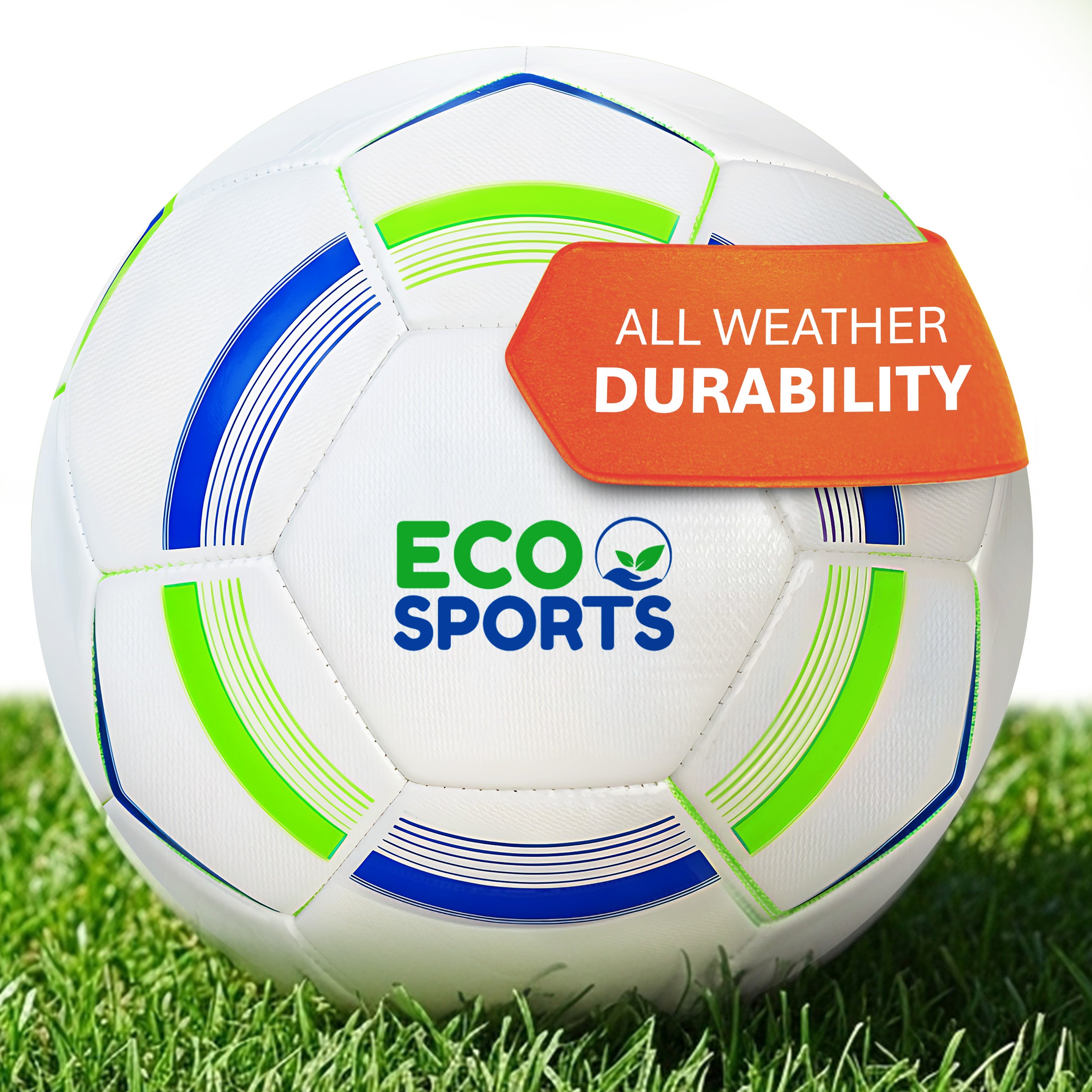
Soccer is the most popular sport on the planet, played in more than 200 countries by over 265 million people. With so many players, it’s no surprise that soccer equipment is produced at massive scale. In fact, more than 40 million soccer balls are manufactured globally every year, creating a significant environmental footprint from raw materials, production, and disposal.
At Eco Sports, we believe the equipment that fuels our love for sports should also respect the planet. Understanding the environmental impact of a typical soccer ball—and how more sustainable materials can improve it—is an important step toward building a greener future for sports.
What Is a Typical Soccer Ball Made Of?
Most modern soccer balls consist of multiple layers designed to provide durability, shape retention, and performance. These layers usually include:
- Outer casing: Synthetic leather made from plastics such as PVC or polyurethane
- Backing layers: Polyester or cotton fabric for structure
- Inner bladder: Butyl or latex rubber to retain air
- Adhesives and coatings: Chemical glues and protective finishes
While this construction creates a durable ball, the materials commonly used—especially Polyvinyl Chloride (PVC)—can have significant environmental consequences.
The Environmental Challenges of Conventional Soccer Balls
-
Plastic-Based Materials
- Many lower-cost soccer balls rely heavily on PVC. This plastic is durable and inexpensive, but its environmental impact can be substantial. PVC production relies on fossil fuels and chlorine chemistry, which can generate hazardous byproducts during manufacturing.
- Once produced, PVC products are also very difficult to recycle, meaning most worn-out balls ultimately end up in landfills.
-
Short Product Lifecycles
- Soccer balls experience constant impacts, abrasions, and weather exposure. Over time, the panels degrade, seams split, and bladders fail. When this happens, the ball is typically discarded.
- Considering that millions of soccer balls are produced annually, even small improvements in durability or recyclability can dramatically reduce global waste.
-
Microplastic Pollution
- As plastic surfaces wear down from repeated use, tiny fragments can shed from the ball’s outer coating. These particles contribute to the broader global challenge of microplastic pollution, which is increasingly found in soil, water, and even the human food chain.
Why TPU Is a Better Alternative to PVC
A growing number of manufacturers, including Eco Sports, are replacing PVC with Thermoplastic Polyurethane (TPU), a material that offers both performance and sustainability benefits. TPU is widely considered a more environmentally responsible alternative because it:
- Avoids chlorine chemistry - Unlike PVC, TPU production does not rely on chlorine-based processes that can create toxic byproducts.
- Lasts longer - TPU is flexible, abrasion-resistant, and highly durable, which helps extend the lifespan of a soccer ball.
- Has better recycling potential - TPU can be reprocessed and reused in manufacturing, making it more compatible with recycling systems and circular design principles.
Longer-lasting materials mean fewer balls need to be produced and discarded—reducing overall environmental impact.
The Role of Recycled Materials
Another major opportunity for sustainability lies in recycled inputs. Some modern soccer balls now incorporate materials such as:
- Recycled polyester fabrics
- Recycled rubber for inner bladders
- Recycled TPU coatings
- Recycled PET plastics
These materials reduce the need for virgin fossil fuels and help keep plastic waste out of landfills and oceans. Across the sports equipment industry, manufacturers like Eco Sports, are increasingly experimenting with recycled materials for soccer balls as consumer demand for eco-friendly gear grows.
Emerging Plant-Based Materials in Sports Equipment
Beyond recycled plastics, innovation is also happening with plant-based materials, exploring bio-based alternatives such as:
- Natural rubber harvested from rubber trees
- Plant-based polyurethane coatings derived from vegetable oils
- Bio-based foams that partially replace petroleum-based plastics
- Organic cotton or recycled cotton backings
While these materials are still evolving, they represent a promising pathway toward reducing the reliance on fossil-fuel-derived plastics in sports gear.
Extending a Ball’s Life Through Reuse and Donation
One of the simplest ways to reduce the environmental footprint of sports equipment is to keep it in play longer. Even when a ball is no longer suitable for competitive matches, it can still provide value in other ways:
- Training sessions
- Recreational play
- School programs
- Community organizations
Many initiatives work to redistribute sports equipment to underserved communities, such as organizations like:
- One World Play Project that help deliver durable soccer balls to communities around the world where access to sports equipment is limited
- Leveling the Playing Field who puts your used sports equipment in the hands of those who need it so every kid gets a chance to play
- Eco Sports who works with school & club partnerships to offer a "take back" program each year to redistribute used sports balls to communities who need it
By donating or repurposing equipment instead of discarding it, players and teams help extend the lifecycle of the materials already produced.
Designing Soccer Balls for a Circular Economy
A truly sustainable soccer ball isn’t just about better materials—it’s about better product design. Manufacturers are being encouraged to create products with circular economy in mind, products that can be reused, repaired, or recycled at the end of their life. In soccer ball manufacturing, this could include:
- Designing balls with recyclable mono-material layers
- Using water-based adhesives instead of solvent-based glues
- Creating take-back programs for worn-out balls
- Designing products for longer durability and repairability
These innovations help close the loop between production, use, and reuse.
A Greener Future for the Beautiful Game
Soccer balls may seem like small products, but their environmental impact adds up when millions are produced each year. By shifting away from PVC, adopting materials like TPU, incorporating recycled inputs, and exploring plant-based alternatives, the sports industry has a powerful opportunity to reduce waste and emissions within the equipment & gear we use everyday.
At Eco Sports, we believe sustainability and sport go hand in hand. The future of athletics isn’t just about better performance—it’s about better materials, smarter design, and a commitment to protecting the planet that allows us to play. Because the game we love should leave a legacy of healthy communities and a healthier Earth.