Football is one of the most popular and commercially successful sports in the world, led by leagues like the National Football League (NFL). But behind the packed stadiums, massive broadcasts, and cultural influence lies an often overlooked reality: football generates a significant amount of waste & emissions every single season.
From single-use plastics on game day to discarded equipment and synthetic turf, the environmental footprint of football is far larger than most fans realize.
The Scale of Football’s Waste Problem & Scope of Unsustainable Practices
Each football season spans:
- 272 regular season games (NFL alone)
- ~18-19 million fans attending NFL games alone annually
- Preseason + playoffs + events like the Super Bowl
- 700,000+ leather footballs produced annually for league, team & consumer use
This scale translates into tens of thousands of tons of waste annually across professional, collegiate, and recreational football—much of which ends up in landfills.
Stadium Waste: The Biggest Contributor
Game day is where football’s waste footprint becomes most visible. Key sources of stadium waste:
- Single-use food containers (plastic, paper, aluminum)
- Beverage cups and bottles
- Food waste
- Promotional materials
The numbers:
- A single NFL game can generate 20–40 tons of waste depending on stadium size and attendance
- Large events like the Super Bowl can exceed 160,000 pounds (80 tons) of waste in one day
Even with recycling efforts, a significant portion still ends up in landfills. Multiply that across an entire season, and the numbers become staggering.
Equipment or Merchandise Waste: The Hidden Impact
Football is a gear-intensive sport, and that comes with environmental costs. Common equipment waste includes:
- Footballs, made from cowhide leather, linking the sport directly to the environmental footprint of the livestock industry
- Helmets and pads (made from complex plastics and foams)
- Cleats and synthetic apparel
- Practice gear and training equipment
- Merchandise made from synthetic materials
Unlike everyday clothing, most football gear or merchandise is difficult to recycle, replaced frequently due to wear and safety standards, or in the case of merchandise, overproduced inventory that may be discounted, redistributed, or ultimately contribute to textile waste streams.
For the footballs alone, it is cited that an estimated ~35,000 cowhides are needed each year to produce the volume of footballs required. This directly contributes to the growing impact of the livestock impact, currently contributing ~14.5% of GHG emissions & significant deforestation / water usage.
When you add in the equipment waste from college, high school, and youth teams, this adds up to millions of pounds of discarded equipment each year.
Turf vs Natural Grass: An Environmental Trade-Off
Many stadiums use artificial turf instead of natural grass—but this comes with its own waste challenges. Artificial turf issues:
- Made from plastic-based materials
- Lifespan of ~8–10 years
- Difficult and costly to recycle
When replaced, turf fields can contribute tens of thousands of pounds of landfill waste per installation. Not to mention, turf is often made from plastic polymers like polypropylene, which can contribute to microplastic pollution and may contain chemical additives of concern.
Travel and Event Waste
Football’s environmental impact isn’t limited to physical trash. Consider the broader footprint:
- Team flights and logistics
- Fan travel (cars, flights, rideshare)
- Hotel stays and food consumption
While not all of this is ‘waste’ in the traditional sense, it significantly contributes to football’s total environmental footprint, particularly through emissions and resource consumption.
Are Sustainability Efforts Making a Difference?
The good news: progress is happening. Organizations like the National Football League and major stadium operators have introduced measures to reduce carbon footprint and climate impact:
- Recycling and composting programs
- Zero-waste goals for major events
- Reduced plastic initiatives
- Donations of unused food and materials
Some Super Bowl events have reported diverting over 90% of waste from landfills through recycling, composting, and reuse programs.
However, challenges remain:
- Inconsistent implementation across venues
- Contamination in recycling streams
- Continued reliance on single-use plastics vs. vs. certified compostable or reusable alternatives
What Would a More Sustainable Football Season Look Like?
Reducing football’s waste footprint requires systemic change across multiple areas:
Stadium Operations
- Eliminate single-use plastics
- Expand composting and recycling infrastructure
- Incentivize reusable containers
- Re-conceptualize food waste partnering with non-profits focused on diverting to food insecure communities
Equipment Innovation
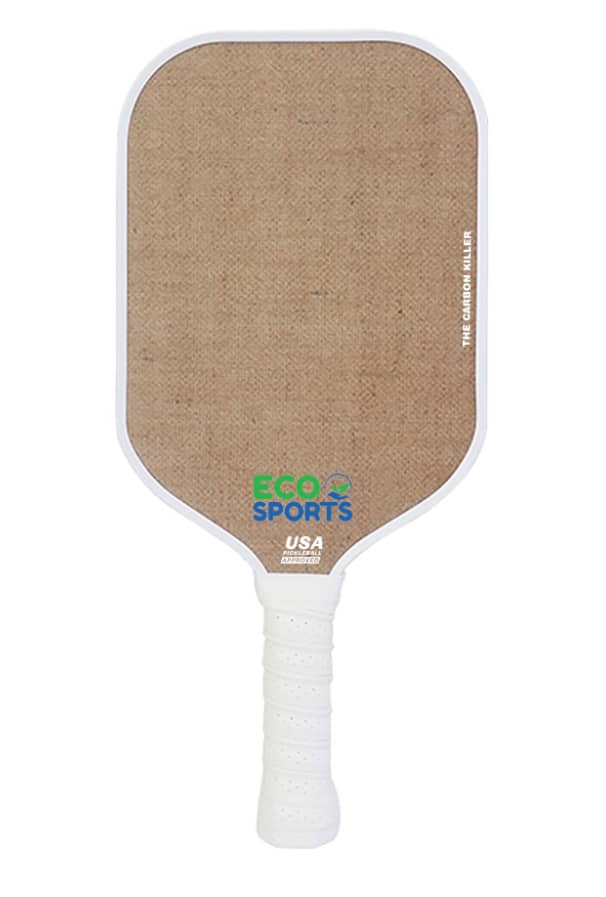
- Develop recyclable or biodegradable apparel & gear, like the Eco Sports football
- Use materials that extend product lifecycles
- Introduce take-back programs where applicable (e.g., footballs being repurposed for youth camps, schools, etc.)

Fan Behavior
- Encourage fans to bring reusable bottles
- Incentivize use of public transportation to major stadiums
- Develop apps or educational tools that expose impact of consumer decisions for better decision making (e.g., beef vs. plant-based burger)
League-Wide Accountability
- Standardized sustainability metrics
- Transparent reporting
- Investment in circular systems
Why This Matters
Football’s scale means even small improvements can have massive environmental impact. If:
- Each stadium reduced waste by just 25%
- Each fan made one more sustainable choice
The cumulative effect across a season could mean millions of pounds of waste avoided. Additionally, by marketing more sustainable practices, leagues can have great influence beyond the boundaries of football games. Education remains one of the biggest barriers to more sustainable consumer behavior.
Final Thoughts
Football generates tens of thousands of tons of waste each season, from stadium operations to equipment and infrastructure. While sustainability efforts are improving, this sport, along with the sports industry as a whole, still has a long way to go.
For athletes, fans, and organizations alike, the opportunity is clear: rethink how the game is played, consumed, and supported.
Because the future of sports isn’t just about performance—it’s about awareness and responsibility.