Soccer balls take a beating—kicks, headers, rough turf, and endless drills. Durability separates the balls that deflate after a few games from those that endure seasons of play. Factors like materials, construction, bladders, and even manufacturer choices determine how long a ball lasts, with premium options outlasting budget ones by months or years.
Materials: The Foundation of Longevity
The outer cover is the ball's first line of defense. Polyurethane (PU) tops the list for durability, offering abrasion resistance, water repellency, and shape retention. PU feels soft yet strong, resisting stretching that deforms cheaper balls. It's ideal for matches on grass or turf, lasting through regular use without cracking.
Thermoplastic Polyurethane (TPU) is a close contender, especially for training. TPU provides high abrasion resistance and UV stability, preventing surface cracks from sun exposure. It's robust on hard surfaces like concrete or rocky fields, with good flexibility akin to rubber. While it stretches more than PU, quality TPU with proper backing maintains shape well. Positives include recyclability and lower cost compared to PU, making it a smart pick for heavy practice.
PVC (Polyvinyl Chloride) shines for beginners or rough play. Cheaper and tougher on abrasive surfaces, PVC handles concrete without quick wear. It's easy to clean but feels harder and may lose shape over time if low-quality.
Leather, once standard, absorbs water and stretches, reducing modern appeal despite its feel. Synthetics like PU, TPU, and PVC dominate for weather resistance and consistency.
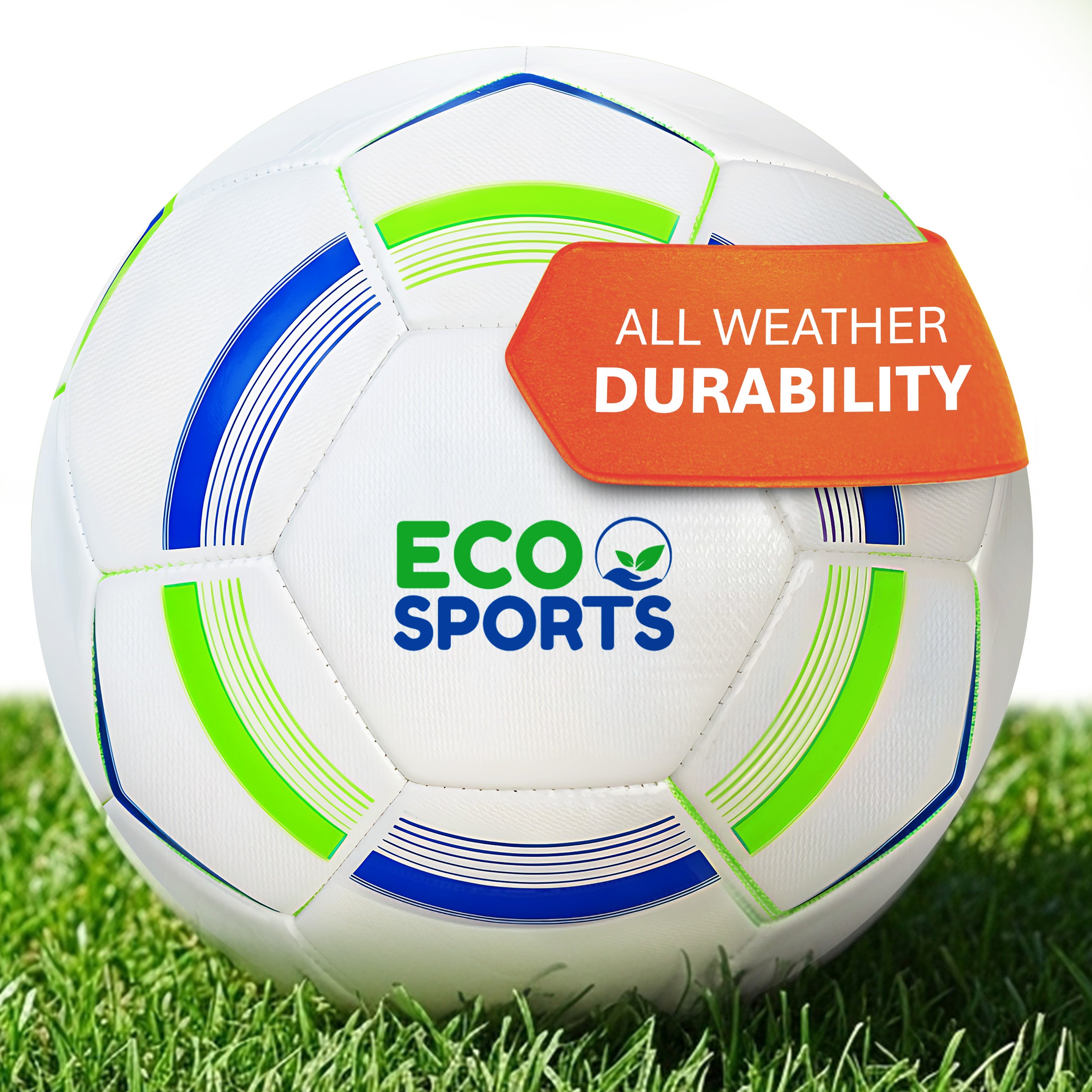
The Eco Sports Recycled TPU soccer ball exemplifies TPU's strengths. Made from recycled materials, it matches traditional TPU in abrasion resistance and robustness, perfect for eco-conscious players on varied surfaces. Users report it holds up like premium balls, with added UV protection against cracking—proving eco-friendly options needn't sacrifice durability.
Construction Techniques: Seams and Panels Matter
How panels join dictates failure points. Thermal bonding fuses panels without stitches, creating seamless, water-resistant surfaces that stay round longer. These balls resist water absorption and maintain flight on wet fields, with fewer panels (as low as 8 vs. traditional 32) reducing weak spots.
Machine-stitched or hand-stitched panels offer durability via reinforced seams, but thermal bonding edges them out for elite play. Hybrid constructions blend materials for toughness and touch.
Bladders and Internal Layers: Air Retention and Impact Resistance
Inside, the bladder holds air and absorbs impacts. Butyl bladders excel in durability, retaining pressure longer than latex, which bounces livelier but needs frequent inflating. Butyl suits training, preventing soft spots from heavy use.
Reinforced linings distribute force evenly, aiding shape retention on rocky surfaces. High-end balls last 6-12 months of hard use with these features.
Manufacturer and Quality Control
Manufacturers influence reliability through material sourcing and tech. Brands using proprietary hybrids or thermal bonding—like those with advanced PU layers—produce longer-lasting balls. Quality certifications ensure consistency; cheaper makers cut corners on linings, leading to early wear.
Eco Sports stands out as a manufacturer prioritizing sustainability without skimping on performance. Their Recycled TPU soccer ball uses post-consumer plastics, processed for TPU's signature strength. It's thermally compatible, with robust backing to counter stretch, and priced accessibly around 20-30—half premium PU costs. This makes it ideal for recreational leagues or youth teams valuing durability and planet-friendly design.[3]
Price vs. Durability: Worth the Investment?
Budget balls (10-20, often PVC our least favorite material) suit casual kickabouts but wear fast on turf. Mid-range (25-50, TPU/PU) balance cost and life, lasting seasons. Premium (50+, thermal-bonded PU) endure pro-level abuse.
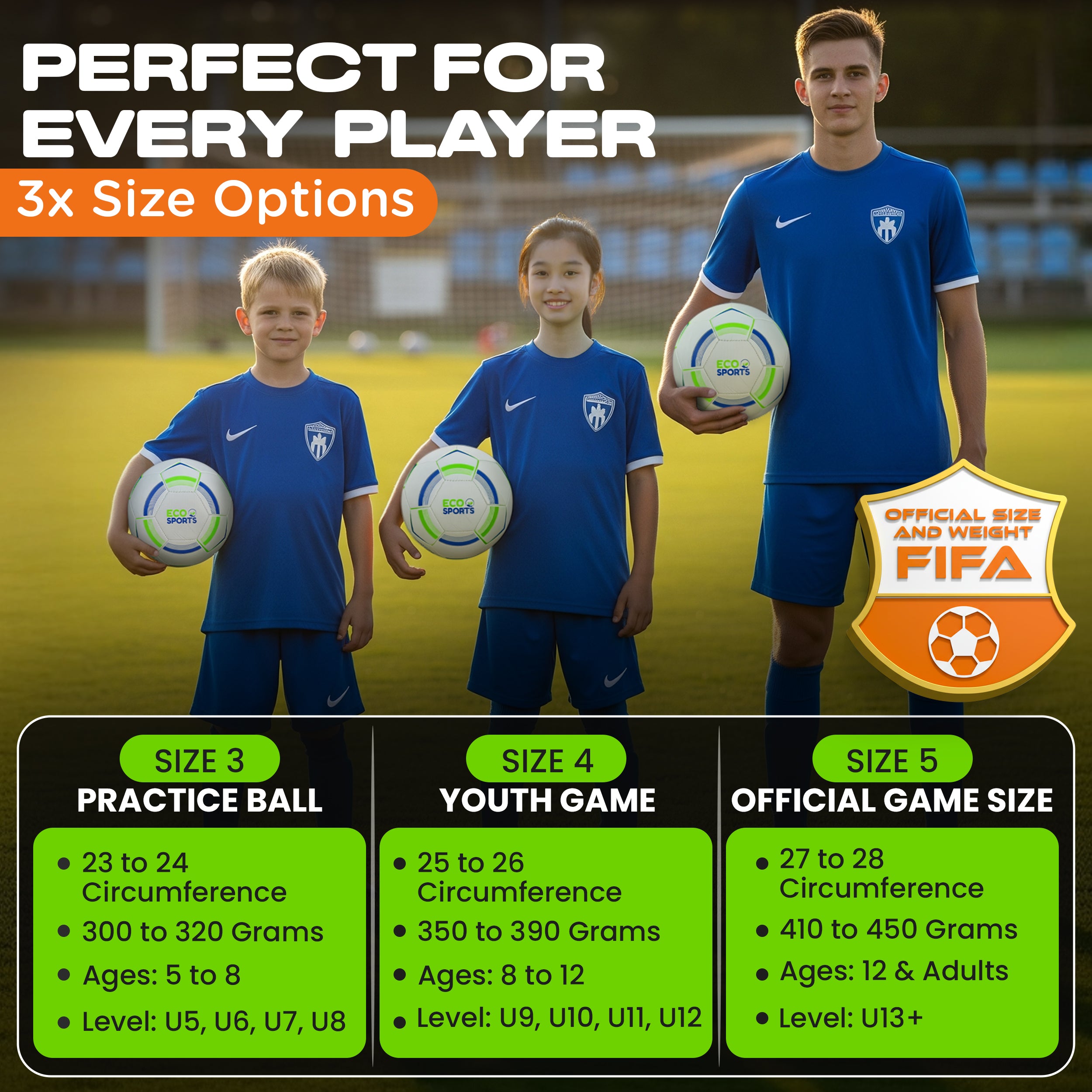
Higher price often means better materials and construction, but smart buys like Eco Sportys deliver pro durability and size from size 3 soccer ball to size 5 soccer balls at entry prices. Its recycled TPU withstands rocky fields like specialized balls, with users noting minimal deformation after months.
Usage and Surface: Tailor Your Choice
Durability hinges on context. On grass, PU match balls thrive. Artificial turf or rocky surfaces demand abrasion-resistant TPU or PVC with thick shells.
Training favors butyl-bladed TPU for air hold; matches prioritize PU feel. Maintenance boosts life: inflate to spec, avoid overexposure, clean gently. Proper care extends even budget balls.
Recycled TPU handles turf, concrete, or grass, with UV resistance for outdoor storage. Reviews highlight its bounce retention during extended sessions, rivaling pricier hybrids—making it a durable, green choice for daily drills or pickup games.
Other Factors: Weather, Weight, and Innovations
Water resistance from thermal bonding prevents heavy, soggy play. UV treatments in TPU fight fading. Heavier balls (size 5 standard) withstand impacts better but demand control.
Innovations like multi-layer shells enhance everything. Eco-friendly balls, once doubted, now match traditional durability via recycled TPU—Eco Sports proves this, degrading slowly if discarded while performing robustly in use.
Final Tips for Lasting Soccer Balls
• Prioritize PU/TPU for balance; thermal bonding for elite durability.
• Match to surface: TPU for rough, PU for smooth.
• Invest mid-range for value—Eco Sports Recycled TPU offers standout toughness at low cost.
• Maintain diligently for max lifespan.
Choosing right maximizes fun and savings. Durable balls like those with quality TPU keep the game going strong.