Sports Weren't Always Designed With Sustainability in Mind
For most of modern sports history, sustainability simply wasn't part of the conversation. As participation in sports grew throughout the 20th century, manufacturers focused on three primary goals: performance, durability, and affordability. This led to widespread use of synthetic materials, plastics, petroleum-based foams, rubber compounds, and resource-intensive manufacturing processes that helped athletes perform better and equipment last longer.
The results were impressive from a performance perspective. Sporting goods became lighter, stronger, more durable, and more accessible than ever before.
However, these innovations often came with environmental consequences that weren't fully understood at the time.
Many products were designed with little consideration for what happened after they reached the end of their life cycle. Equipment frequently ended up in landfills, manufacturing processes generated significant waste, and the industry's growing demand for raw materials increased its environmental footprint. We've seen and heard this story in every major industry.
For decades, this wasn't viewed as a problem that needed solving.
But as awareness of climate change, pollution, resource depletion, and waste grew, athletes, consumers, and manufacturers began asking an important question: Could sports continue delivering elite performance while reducing their environmental impact?
That question sparked a wave of innovation that continues today.
Rather than accepting traditional manufacturing practices as the only option, companies began exploring recycled materials, renewable resources, waste-reduction strategies, and more efficient production methods. What started as an environmental challenge soon became an opportunity to rethink how sporting goods are designed, manufactured, and used.
Yet even as sustainable alternatives emerged, many athletes remained skeptical.
A common assumption persisted: choosing sustainable products meant sacrificing performance. Fortunately, that perception is rapidly changing.
The Old Myth: Sustainable Equals Inferior
For years, athletes have faced a common misconception: choosing sustainable sports products means settling for lower performance. Whether it's eco-friendly apparel, recycled equipment, or sustainably manufactured gear, many consumers still assume environmental responsibility comes at the expense of durability, comfort, or competitive advantage.
Historically, there was some truth behind the concern. Early sustainable alternatives often struggled to compete with conventional products. Recycled materials could be heavier, less durable, or inconsistent in quality. Athletes naturally prioritized performance, making sustainability a secondary consideration.
This created a false choice:
- High performance but environmentally harmful
- Environmentally friendly but lower performing
Today, that tradeoff is becoming increasingly outdated.
Innovation Is Closing the Performance Gap
The sports industry has invested heavily in research and development to create materials that perform at elite levels while reducing environmental impact.
Recycled or Biodegradable Performance Fabrics
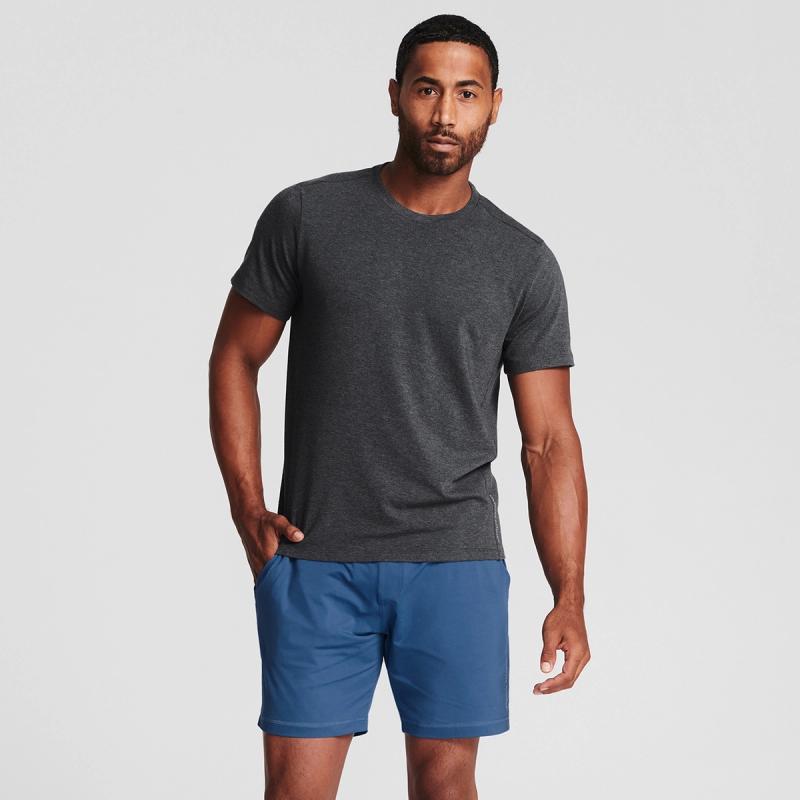
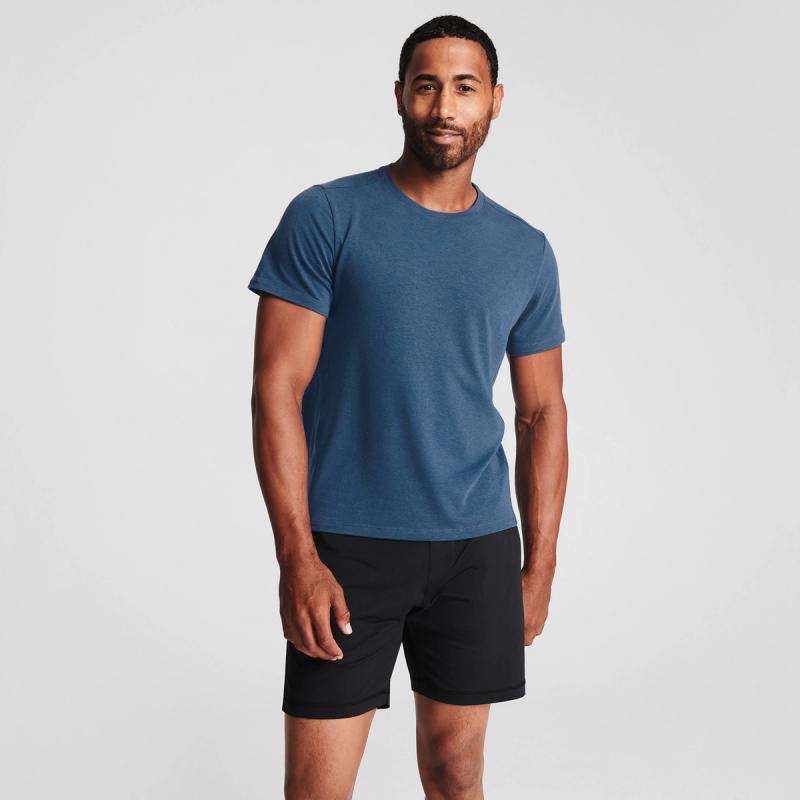
Modern recycled polyester can deliver comparable moisture-wicking, stretch, breathability, and durability. Many leading sports brands now incorporate recycled content into high-performance apparel without compromising functionality. While recycled synthetic fabrics aren't perfect, it is helping to reuse textiles that exist in the market today vs. opting for what the fashion industry calls "virgin" synthetics. Additionally, technology innovation is allowing for synthetic materials to be broken down so they do not persist in landfills for years and years. Companies, like Definite Articles, are leading the way.

Bio-Based Materials
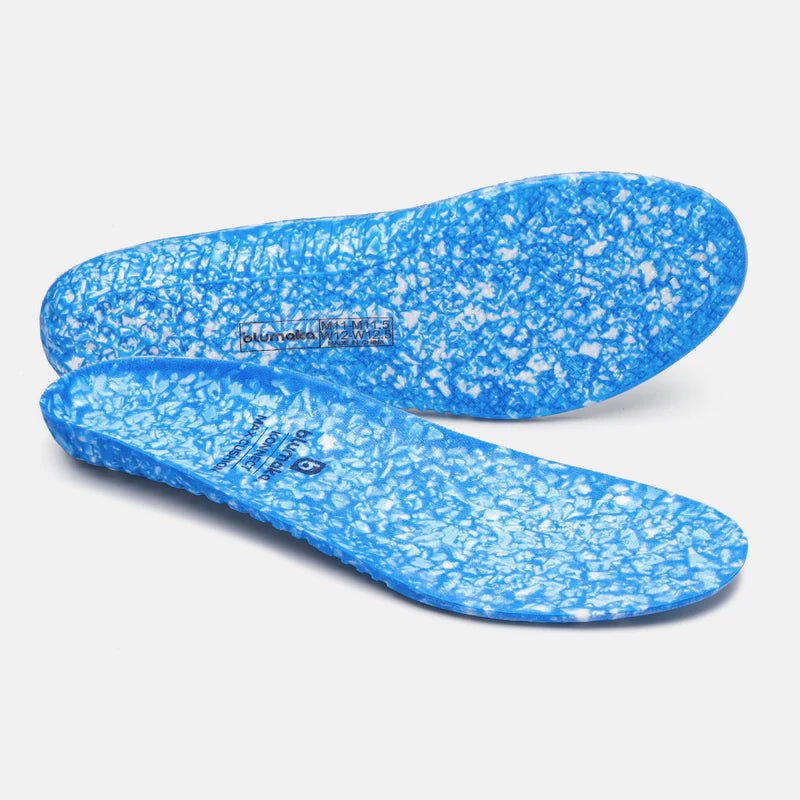
Plant-derived materials are increasingly replacing animal or petroleum-based inputs in footwear, protective gear, and sporting goods. These innovations can reduce carbon emissions while maintaining the strength and flexibility athletes expect.
Advanced Manufacturing Techniques
New production methods minimize waste while improving product consistency and quality. Technologies such as 3D knitting, precision molding, and digital manufacturing allow companies to optimize both performance and sustainability.
Athletes Are Demanding More
Today's athletes understand that environmental issues are no longer separate from sports.
Extreme heat is affecting training schedules. Wildfire smoke is disrupting outdoor events. Drought conditions are impacting fields, golf courses, and recreational facilities. Shorter winter seasons are threatening snow sports around the world.
Climate change is no longer a future concern for sports—it's a present reality.
As environmental conditions increasingly affect participation, many athletes are looking for ways to reduce their footprint without compromising their competitive goals.
The good news is they no longer have to choose one or the other.
Performance Remains the Priority
At the end of the day, athletes care about results.
A running shoe must provide comfort and support. A soccer ball must perform consistently. A tennis racket must deliver the expected feel and responsiveness. Sustainability cannot be an excuse for inferior quality.
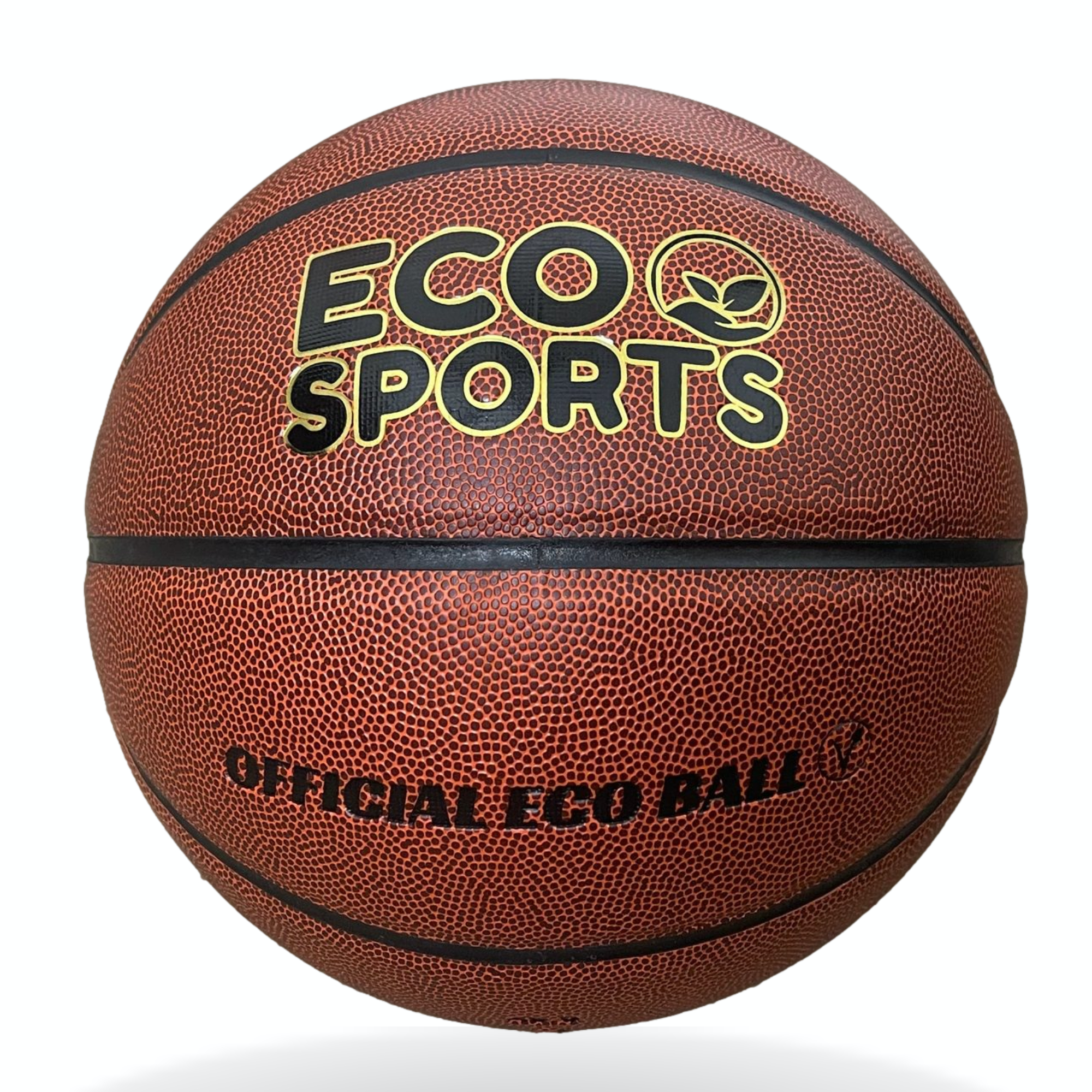
The most successful sustainable sports brands, like Eco Sports, understand this reality. Rather than asking consumers to accept lower performance, they focus on creating products that meet or exceed existing standards while improving environmental outcomes.
The goal isn't to lower expectations...it's to raise them. That's why brands, like Eco Sports, have released only products that meet or exceed the performance expectations and are continuing to invest in the sports where gaps persist.
Sustainability Can Actually Drive Better Products
One of the most overlooked aspects of sustainable innovation is that environmental challenges often inspire better design.
When manufacturers seek to reduce waste, they frequently discover more efficient production methods. When companies search for alternative materials, they often uncover solutions that are lighter, stronger, or more durable than traditional options.
Innovation driven by sustainability has contributed to advancements in:
- Lightweight athletic apparel
- Durable recycled materials
- Improved product longevity
- More efficient manufacturing processes
- Reduced material waste
- Circular product design
In many cases, sustainability isn't slowing innovation—it's accelerating it.

Another promising trend is the growth of circular economy programs in sports. Rather than following a traditional "buy-use-dispose" model, many organizations are introducing sporting goods takeback programs that collect used equipment for refurbishment, reuse, recycling, or donation. From athletic shoes and apparel to balls, bikes, and protective gear, these initiatives help extend product lifecycles, reduce waste, and recover valuable materials that might otherwise end up in landfills. Community-based equipment exchanges and donation programs also make sports more accessible by placing quality gear into the hands of new athletes. As the sports industry embraces circularity, sustainability is evolving beyond product design to include how equipment is managed, recovered, and reused long after its first season of play.
The Future of Sports Is Sustainable and High-Performing
The next generation of sporting goods will not force athletes to choose between winning and sustainability.
As technology advances and consumer demand grows, sustainable materials and manufacturing practices will become increasingly integrated into mainstream sports products. The most successful brands will be those that deliver elite performance while reducing environmental impact.
The future of sports isn't about compromising performance for sustainability.
It's about proving that athletes deserve both.
The Key Takeaway
The idea that sustainable sports products require sacrificing performance is quickly becoming a thing of the past.
The movement toward sustainability didn't emerge because athletes suddenly wanted different equipment. It emerged because the sports industry recognized an opportunity to address environmental challenges while continuing to push the boundaries of innovation.
Today, sustainable sporting goods are proving that environmental responsibility and athletic excellence can coexist.
For athletes, teams, and organizations, the question is no longer whether sustainable products can perform.
The question is how quickly the industry can scale solutions that deliver both exceptional performance and a healthier future for sports.